
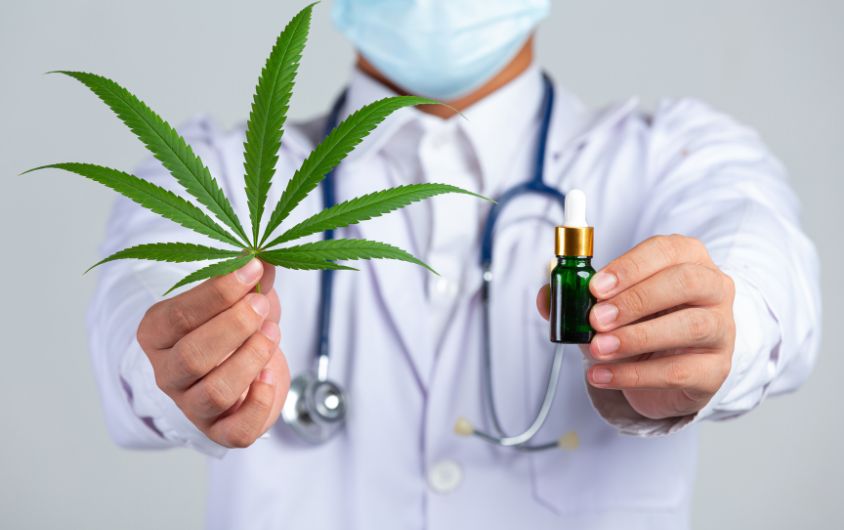
Medical Marijuana Card laws can feel confusing at first. One state allows certain uses, while another sets different limits or rules.
This happens because each state has the power to decide how medical cannabis works within its borders. These rules affect who qualifies, how approval happens, and what patients are allowed to do after receiving permission.
When patients understand how state laws work, they are better prepared to stay within legal boundaries and feel confident about their choices. Clear knowledge also helps avoid mistakes that could lead to stress or legal trouble later.
Why State Laws Control Medical Marijuana Rules
Federal Law vs State Authority
In the United States, cannabis remains restricted at the federal level, even though individual states are allowed to create their own medical cannabis programs.
This creates a split system where federal law sets broad limits, while state law controls how patients actually access treatment. Because the federal government does not manage medical programs directly, states design their own rules, approvals, and protections.
For patients using a Medical Marijuana Card in Fresno, this means access, possession limits, and legal safeguards are shaped by California law rather than federal oversight.
As a result, the patient experience can vary widely from one state to another, depending on where someone lives and how their state structures its medical program.
Why States Set Their Own Guidelines
States design their guidelines based on health priorities, safety concerns, and local values. Some states prefer tight control with strict limits, while others allow wider access for patients.
Lawmakers often review medical research, listen to doctors, and consider patient needs before finalizing rules.
These decisions shape how easy or difficult it is to receive approval. Over time, states may adjust their guidelines as new information becomes available or public opinion changes.
How States Decide Who Qualifies
Approved Medical Conditions
One major way state law shapes access is through approved medical conditions. Each state publishes a list of conditions that qualify for medical cannabis use.
Some states keep this list short, focusing on severe or chronic conditions. Others allow a broader range of health concerns, including issues related to sleep or mental health.
These lists are not permanent. States review them regularly and may add or remove conditions based on updated medical evidence and patient outcomes.
Age and Residency Requirements
Age and residency rules also vary by state. Adults usually qualify on their own, while minors often need a parent or legal guardian involved in the process.
Residency rules require patients to show proof that they live in the state where they apply. This may include a state-issued ID or official documents.
Patients applying in Fresno must follow California’s specific residency rules, which can differ from those in neighboring states. These requirements help states control access and prevent misuse.
Rules Around Doctor Approval
Why a Licensed Doctor Is Required
State laws require a licensed doctor to review a patient’s condition before approval. This step protects patient safety and confirms that medical cannabis is being used for health reasons.
Doctors evaluate symptoms, review medical history, and decide whether cannabis may help. This medical review separates approved use from recreational use and adds accountability to the process.
How Medical Reviews Differ by State
Medical reviews are not the same everywhere. Some states require in-person visits, while others allow virtual consultations. The depth of review can also vary. In stricter states, doctors may need detailed records and past treatment history.
In more flexible states, a symptom-based discussion may be enough. These differences are written into state law and monitored by health authorities.
Limits Set by State Law
Possession Amounts and Purchase Caps
State law sets clear limits on how much cannabis a patient can possess or purchase. These limits may be daily, monthly, or based on each dispensary visit.
The purpose is to reduce misuse while still allowing patients enough supply for treatment. States may adjust these limits over time as programs mature and patient needs become clearer.
Where Medical Cannabis Can Be Used
State rules also define where medical cannabis may be used. Many states ban use in public places, workplaces, or schools. Some restrict use to private residences only.
Patients must understand these boundaries because approval does not mean use is allowed everywhere. Following location rules helps patients avoid fines or other penalties.
Renewal and Expiration Rules
How Long Approval Lasts
Medical approval is not permanent. Most states set expiration dates, commonly one year. Some states choose shorter or longer periods depending on their oversight goals.
Expiration rules allow states to review patient needs regularly and keep records up to date. Renewal usually requires another doctor review.

Why Renewal Timelines Vary
Renewal timelines differ because states balance access with monitoring. Shorter timelines allow closer medical follow-up, while longer timelines reduce paperwork for patients. Both approaches aim to protect patients while keeping systems manageable.
Legal Protection and Patient Rights
Protection From Penalties
When patients follow state rules, they receive certain legal protections. Approved patients are often protected from specific fines or charges related to possession within legal limits. This protection gives patients peace of mind and clear proof of lawful use.
This is where a Medical Marijuana Card plays an important role, as it shows that a patient has met state requirements and received approval.
What State Law Does Not Protect
State approval has limits. It does not apply on federal property such as airports or national parks. Employers may also set workplace policies that restrict use.
Patients must understand these limits to avoid problems. State protection applies only within state boundaries and under specific conditions.
How Local Rules Can Add Extra Requirements
Beyond state law, some cities and counties add their own rules. These may include limits on dispensary locations or extra documentation.
Patients in Fresno may notice different access rules compared to nearby areas. Local rules must still follow state law, but they can add extra steps that patients need to follow carefully.
How State Laws Affect Patients Directly
State laws shape daily decisions for patients. From how much can be purchased to where it can be used, these rules guide every step. Clinics like Medical Marijuana Card Fresno help patients understand these details clearly and avoid confusion during the process.
Another role of a Medical Marijuana Card is providing proof during checks or questions, which helps reduce stress and uncertainty for patients.
Conclusion
State laws play a major role in shaping medical cannabis access. They decide who qualifies, how approval works, and what limits apply.
Because rules differ by state, patients should take time to learn their local guidelines before starting treatment. Staying informed supports safe and lawful use and helps patients feel more confident in their choices.
For those who want clear guidance and reliable information, Medical Marijuana Card Fresno offers trusted support to help patients move forward with confidence.